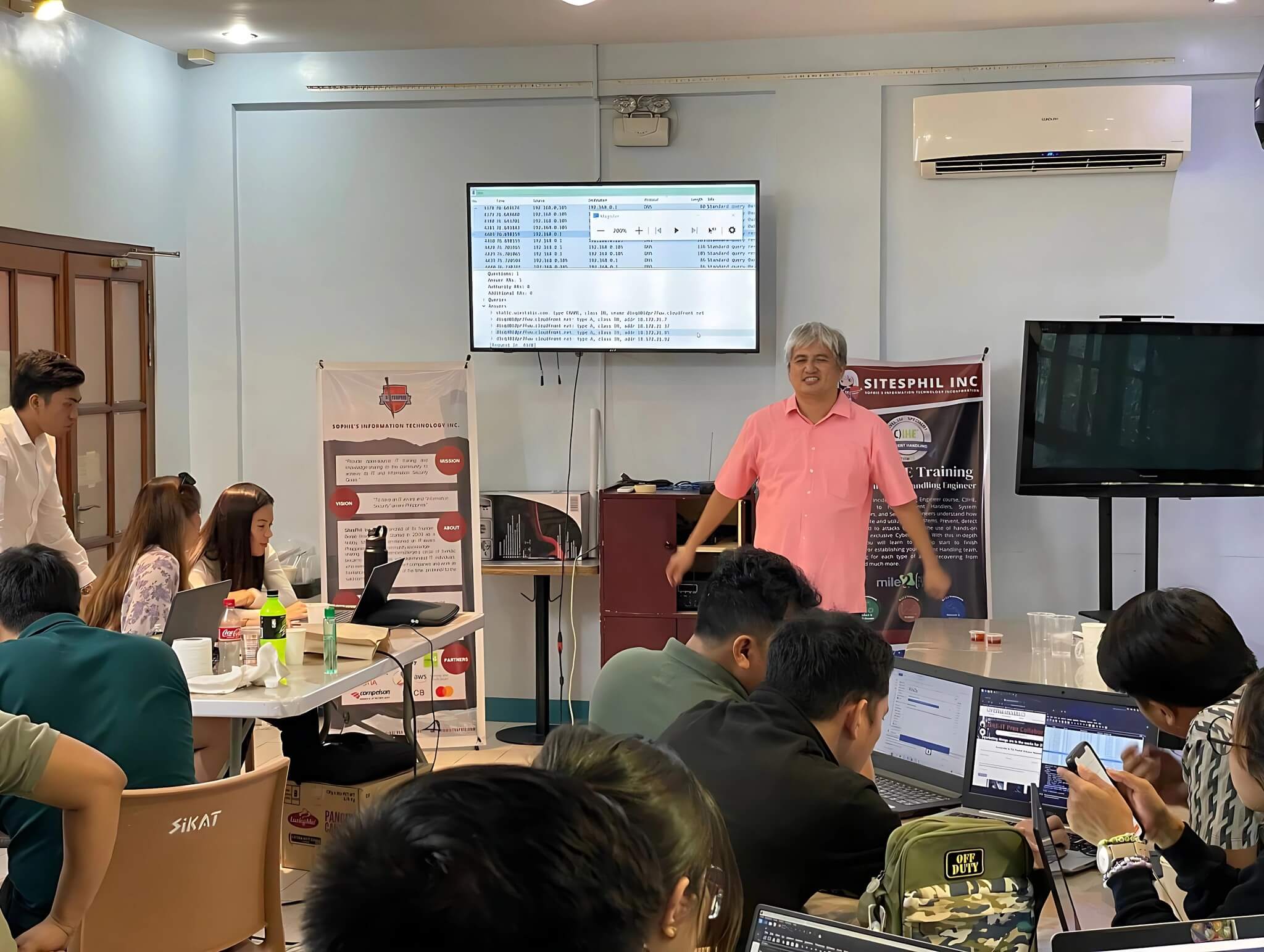
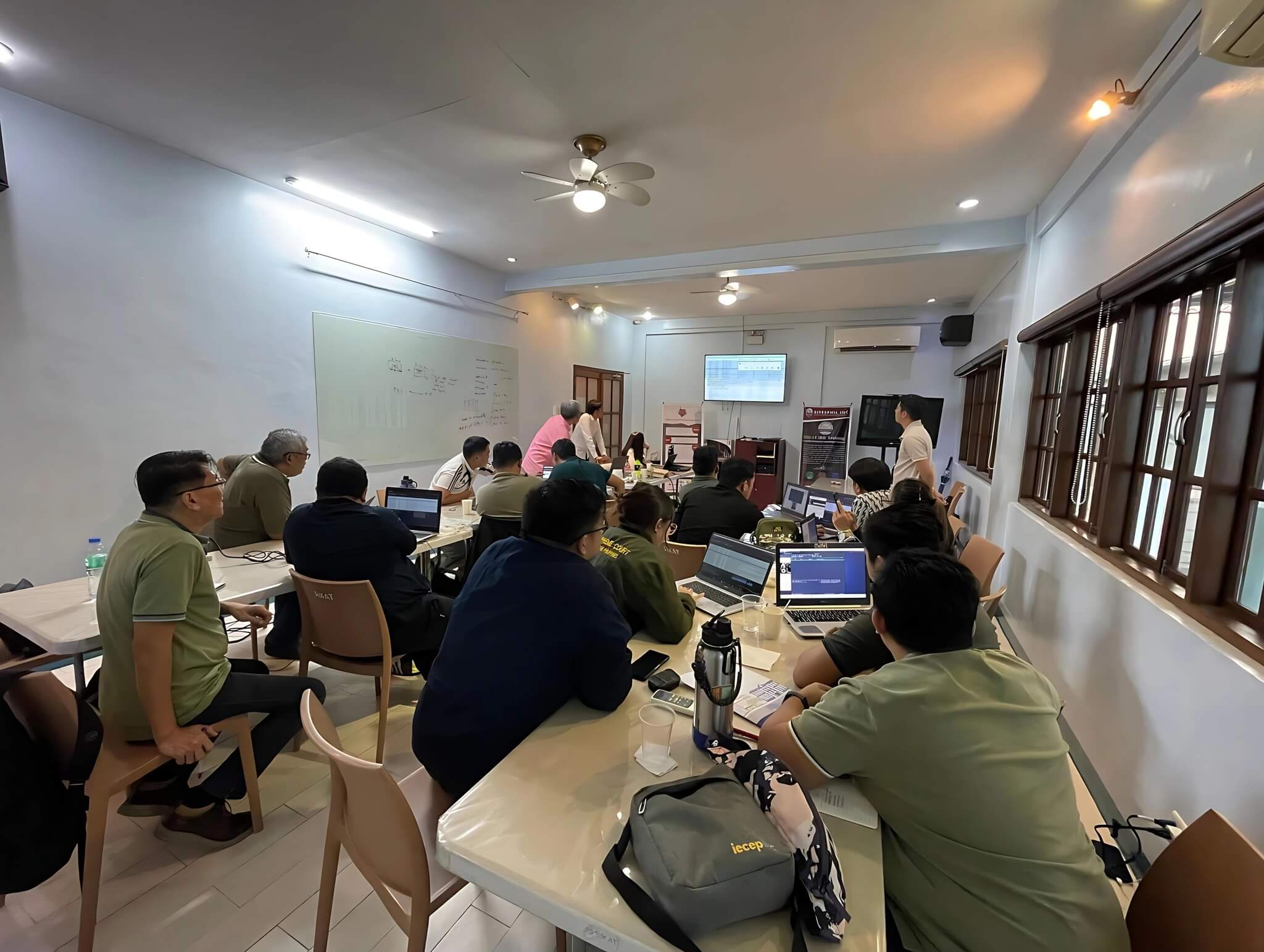
VAPT Training
Learn how to identify, exploit, and remediate system vulnerabilities through practical Vulnerability Assessment and Penetration Testing training. This program prepares participants to understand real-world security weaknesses and apply structured methods to help protect systems, networks, and applications.
What participants learn
- Vulnerability assessment concepts and workflow
- Penetration testing methodology and reporting
- Common web, network, and system security weaknesses
- Risk-based remediation and security recommendations
Who should attend
- IT staff and system administrators
- Cybersecurity beginners and practitioners
- Developers who want to understand security testing
- Organizations preparing for security assessments
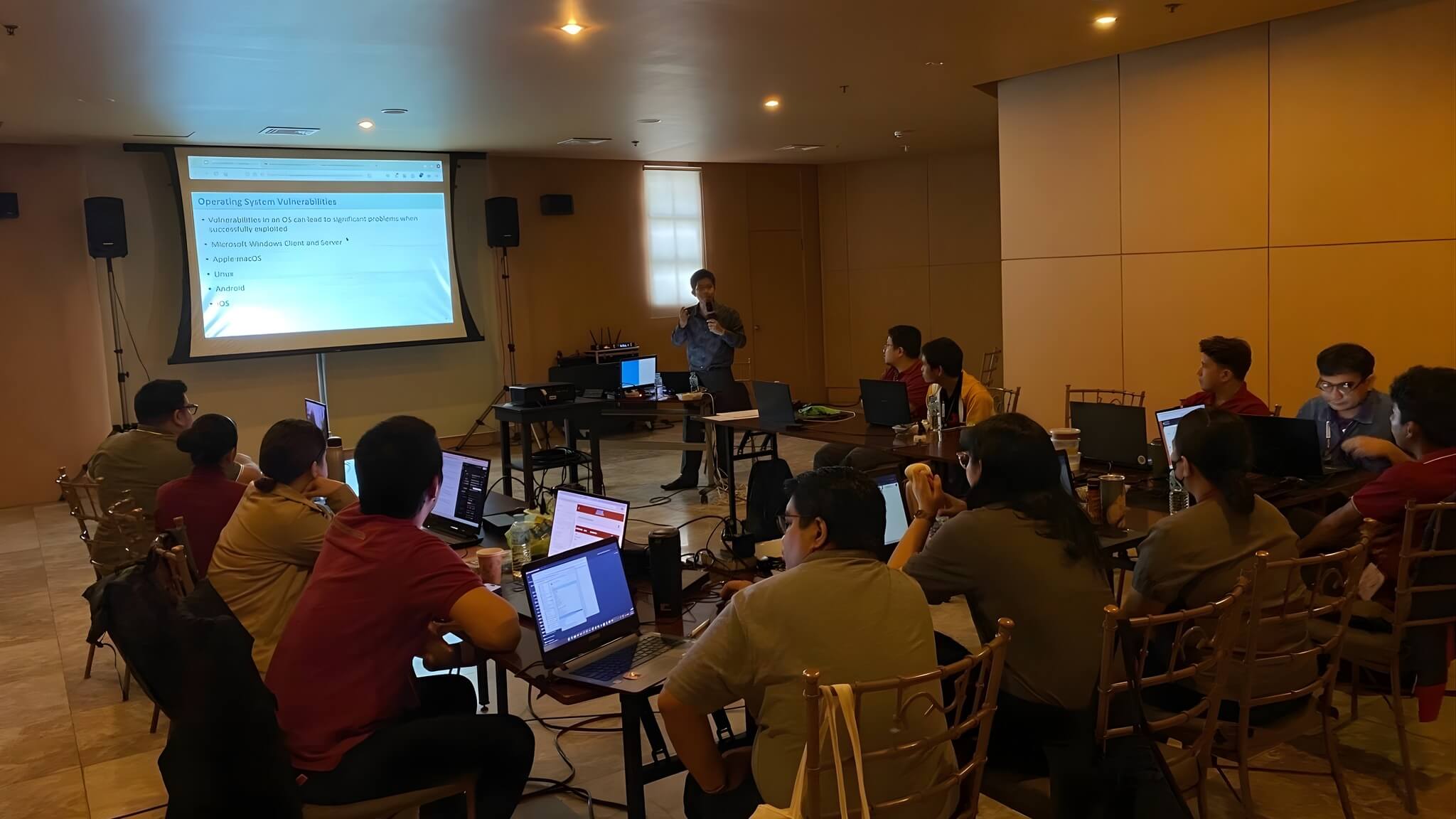
Actual training photos
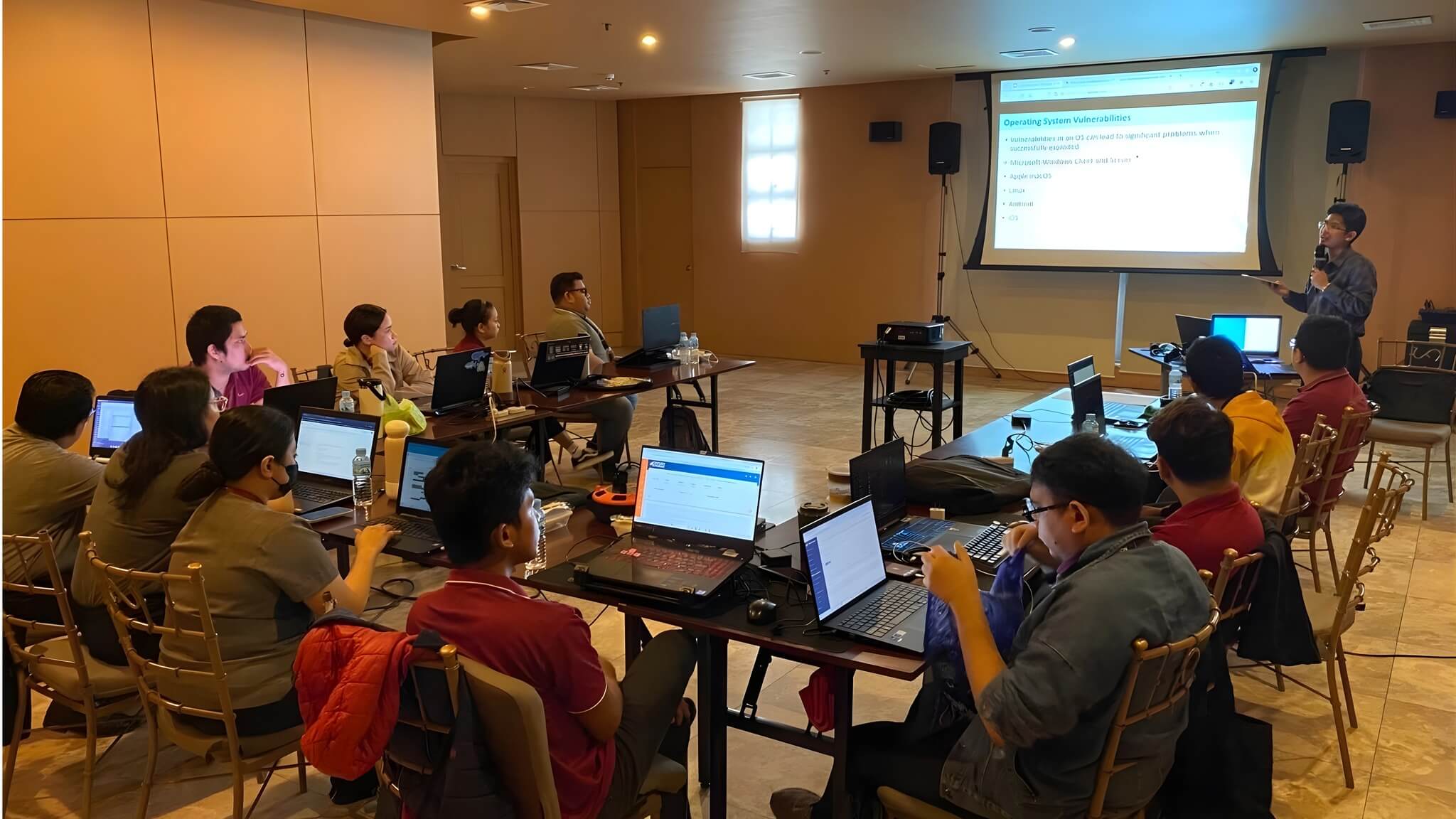
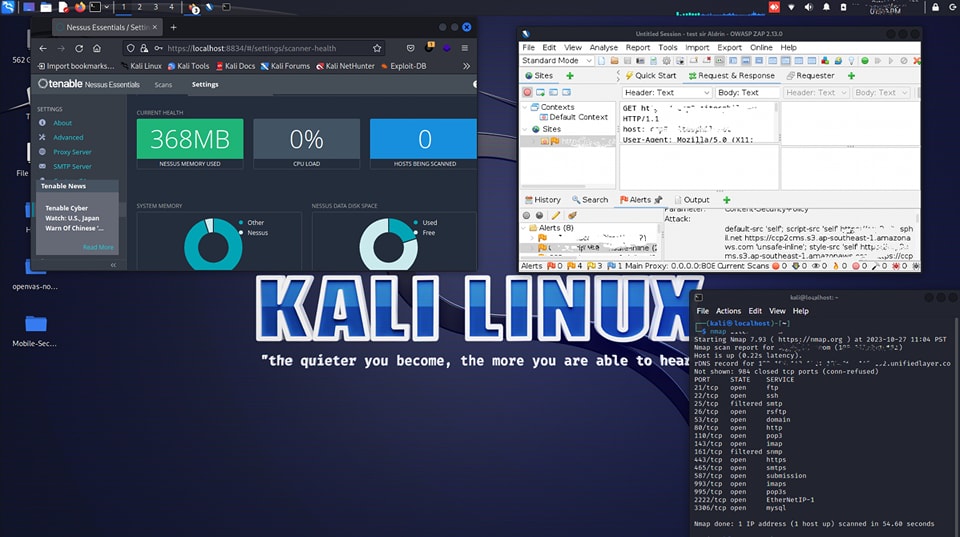
Capture the Flag
Engage in a hands-on cybersecurity competition that simulates real-world hacking scenarios. This training helps participants improve problem-solving, teamwork, vulnerability discovery, and ethical exploitation skills in a controlled environment.
What participants learn
- Web and network exploitation basics
- Enumeration and reconnaissance techniques
- Flag discovery and challenge-solving strategies
- Team-based cybersecurity problem solving
Who should attend
- Students interested in cybersecurity competitions
- Beginner ethical hackers
- IT teams building practical security skills
- Organizations looking for hands-on security training
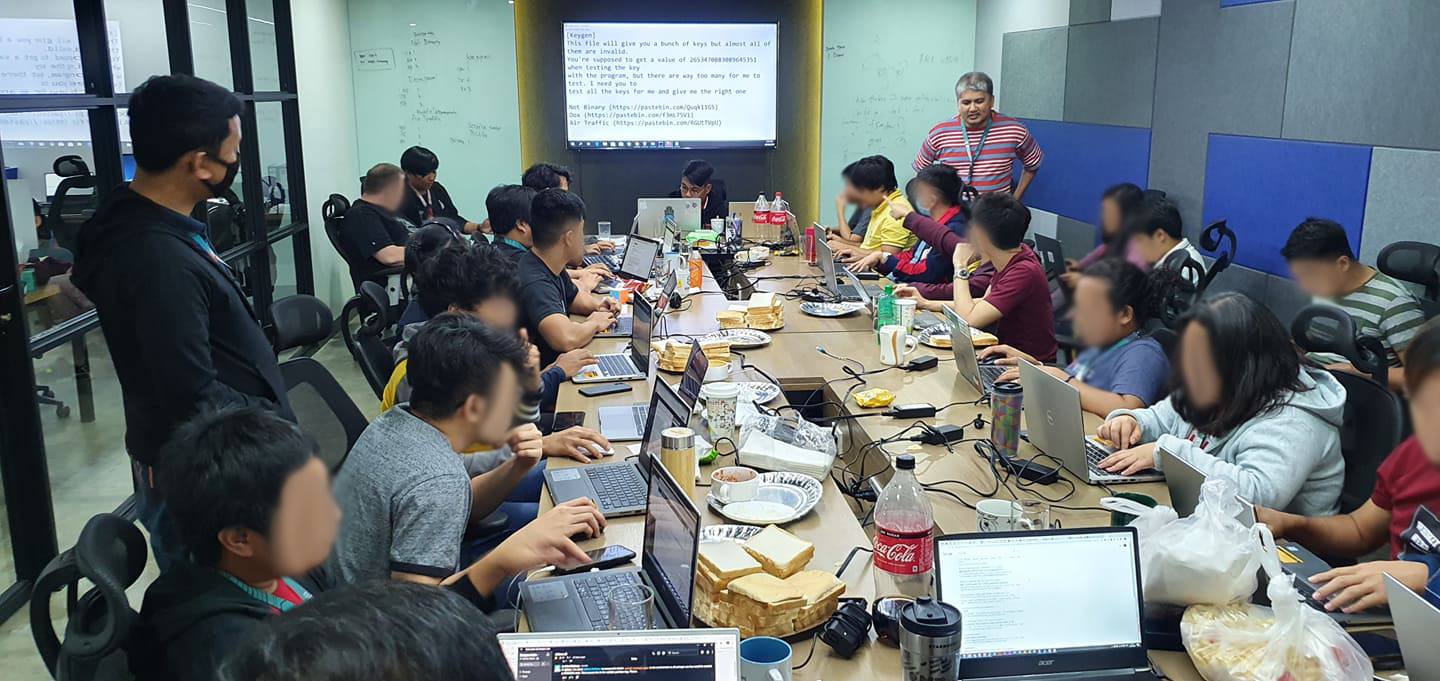
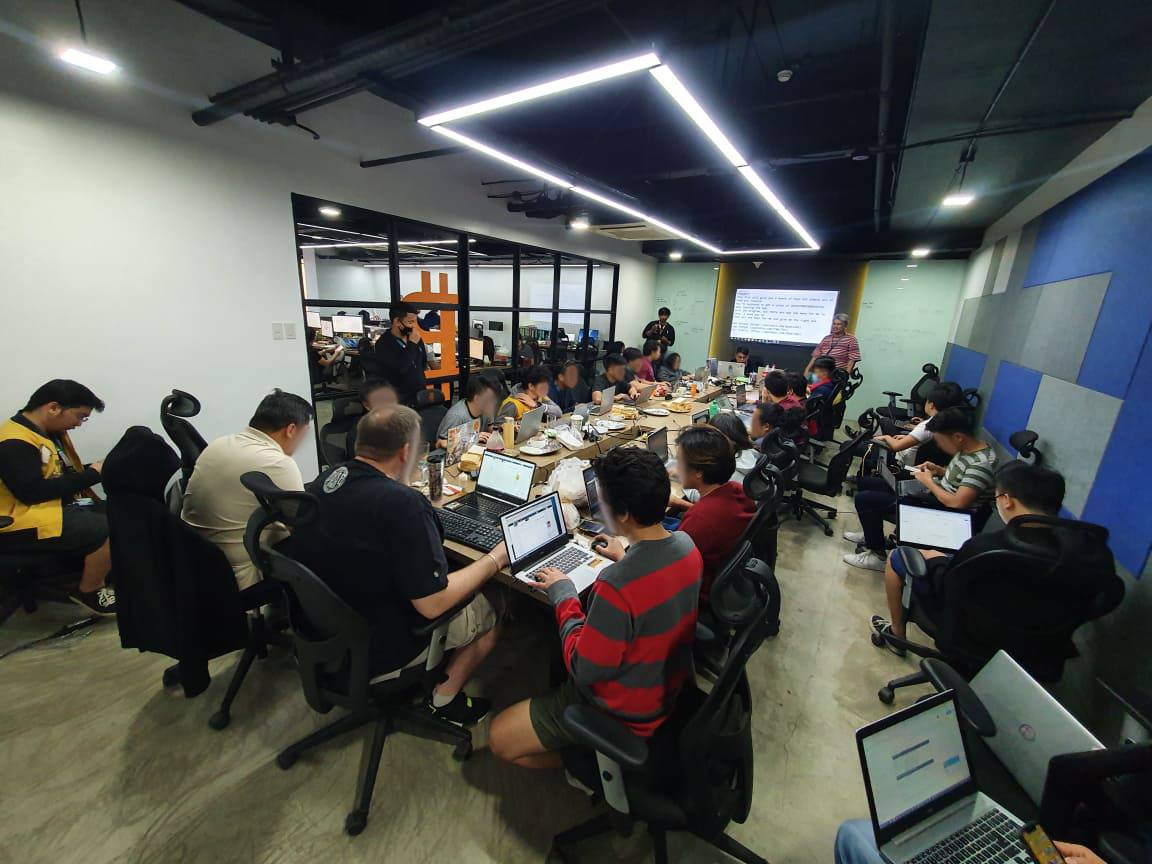
Actual training photos

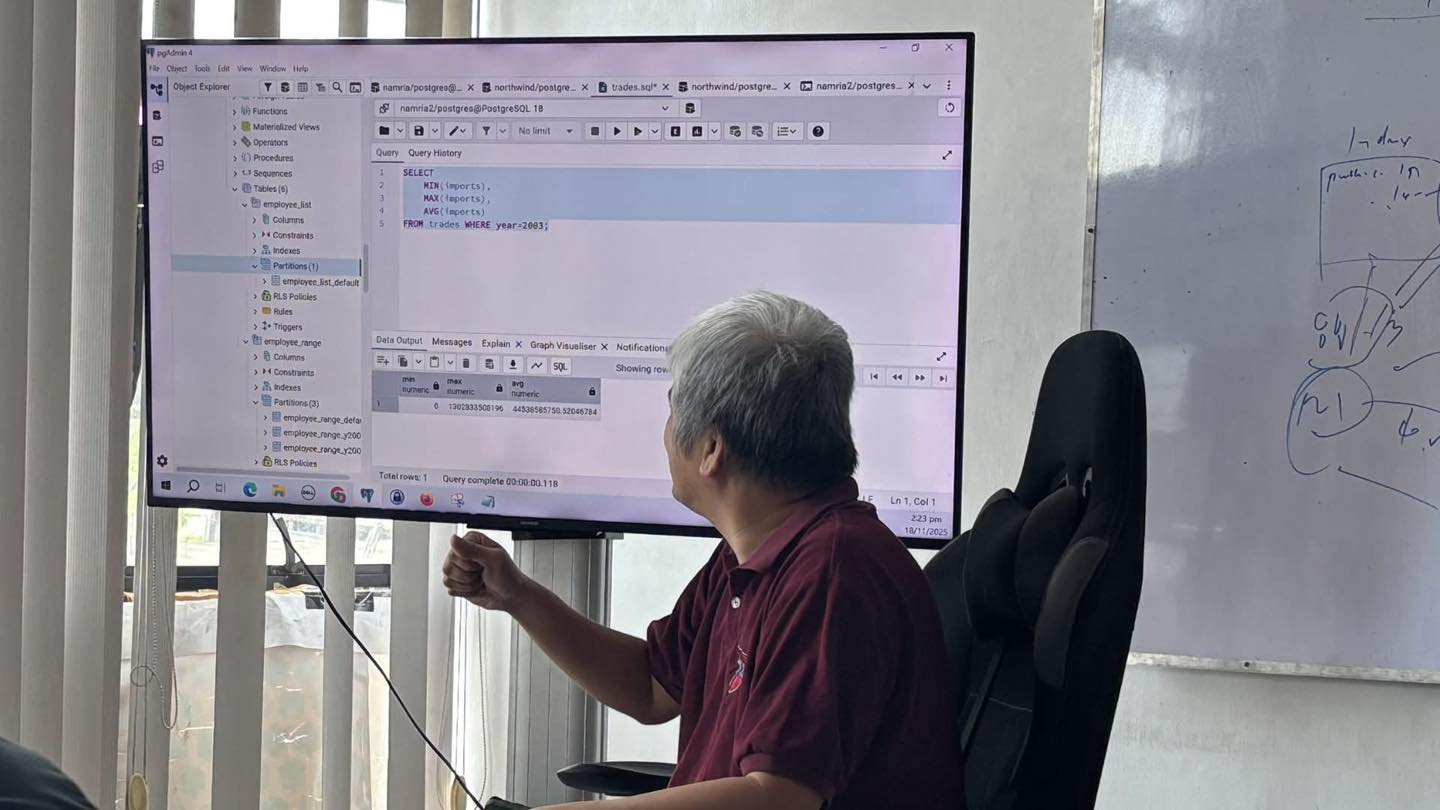
Advanced PostgreSQL Administration Training
Gain practical knowledge in managing PostgreSQL database environments, including administration concepts, database structure, performance considerations, access control, backup awareness, and responsible handling of data-driven systems.
What participants learn
- PostgreSQL database administration concepts
- Database structure, queries, and data handling
- Performance, maintenance, and backup awareness
- Access control and database security practices
Who should attend
- Database administrators and junior DBAs
- Developers working with PostgreSQL databases
- IT staff handling application data
- Teams managing data-driven systems
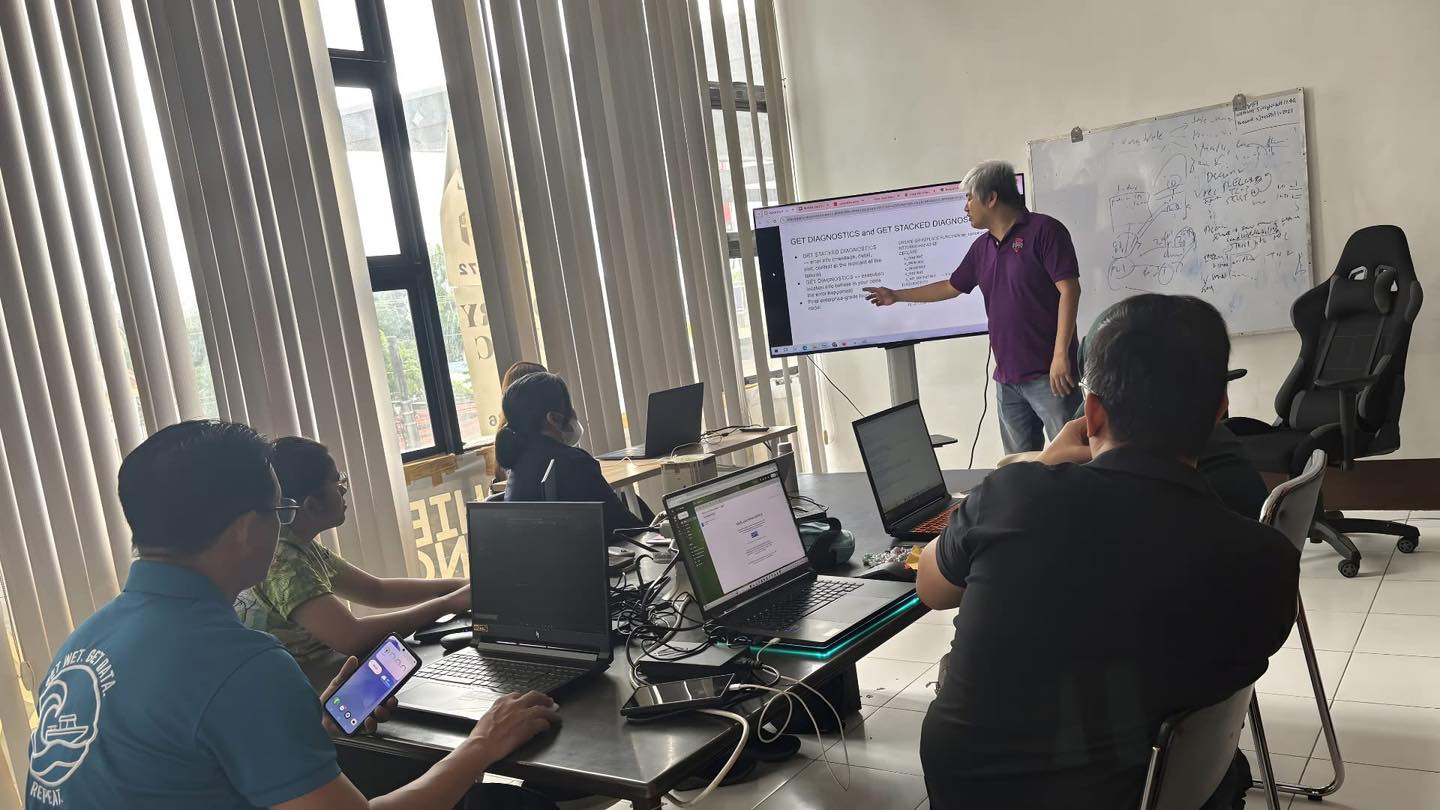
Actual training photos
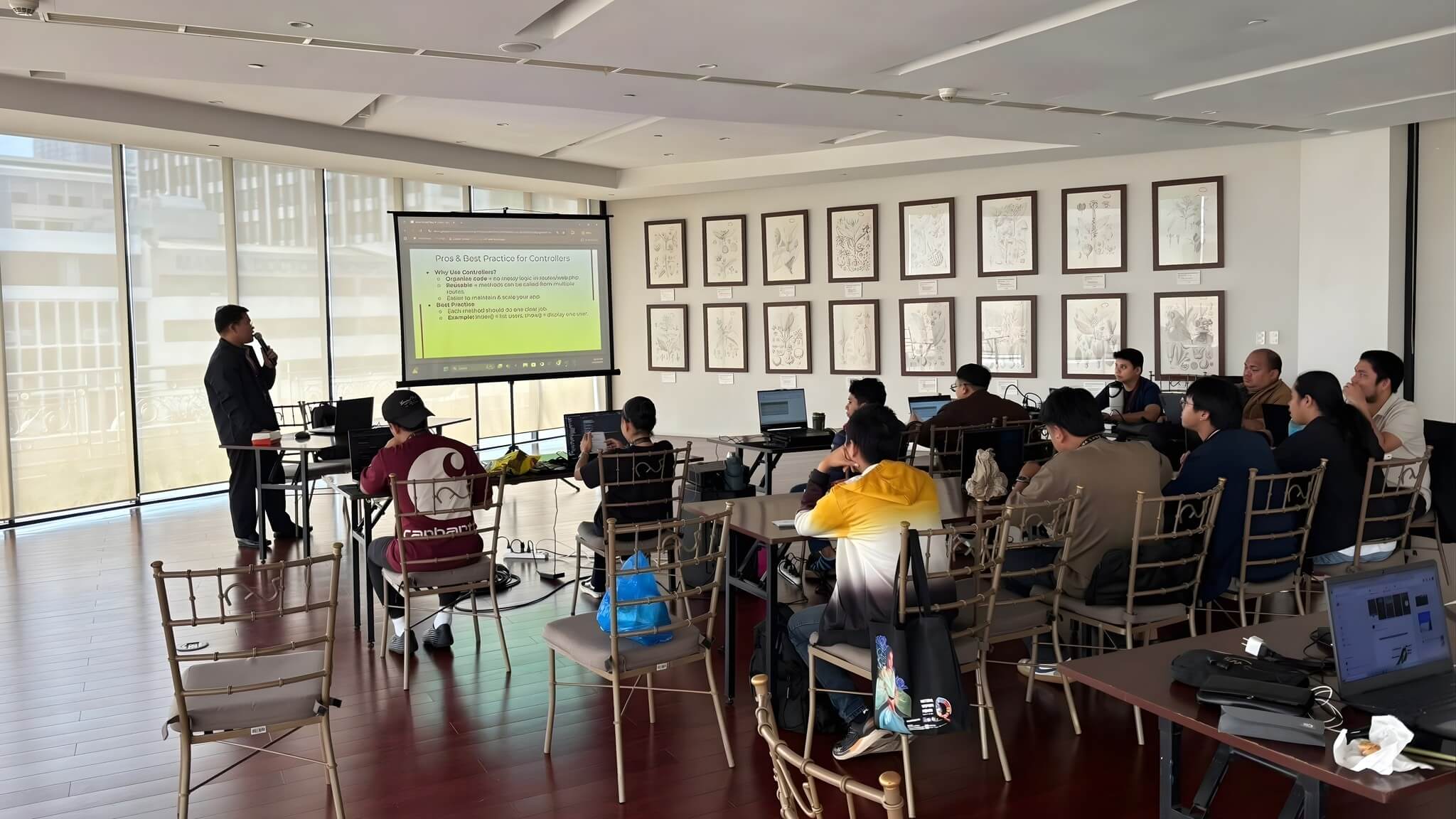
Information System Development Training
Learn how information systems are planned, developed, tested, and maintained based on organizational needs. This training introduces participants to system development concepts, requirements gathering, database-driven workflows, application structure, user-centered design, and practical practices used in building reliable business systems.
What participants learn
- Information system development concepts and workflow
- Requirements gathering, analysis, and system planning
- Database, forms, records, and process flow awareness
- Testing, documentation, maintenance, and user support practices
Who should attend
- Students studying information systems or software development
- Junior developers and IT staff supporting business systems
- Teams involved in system planning and digital transformation
- Organizations improving internal information system capability
Actual training photos
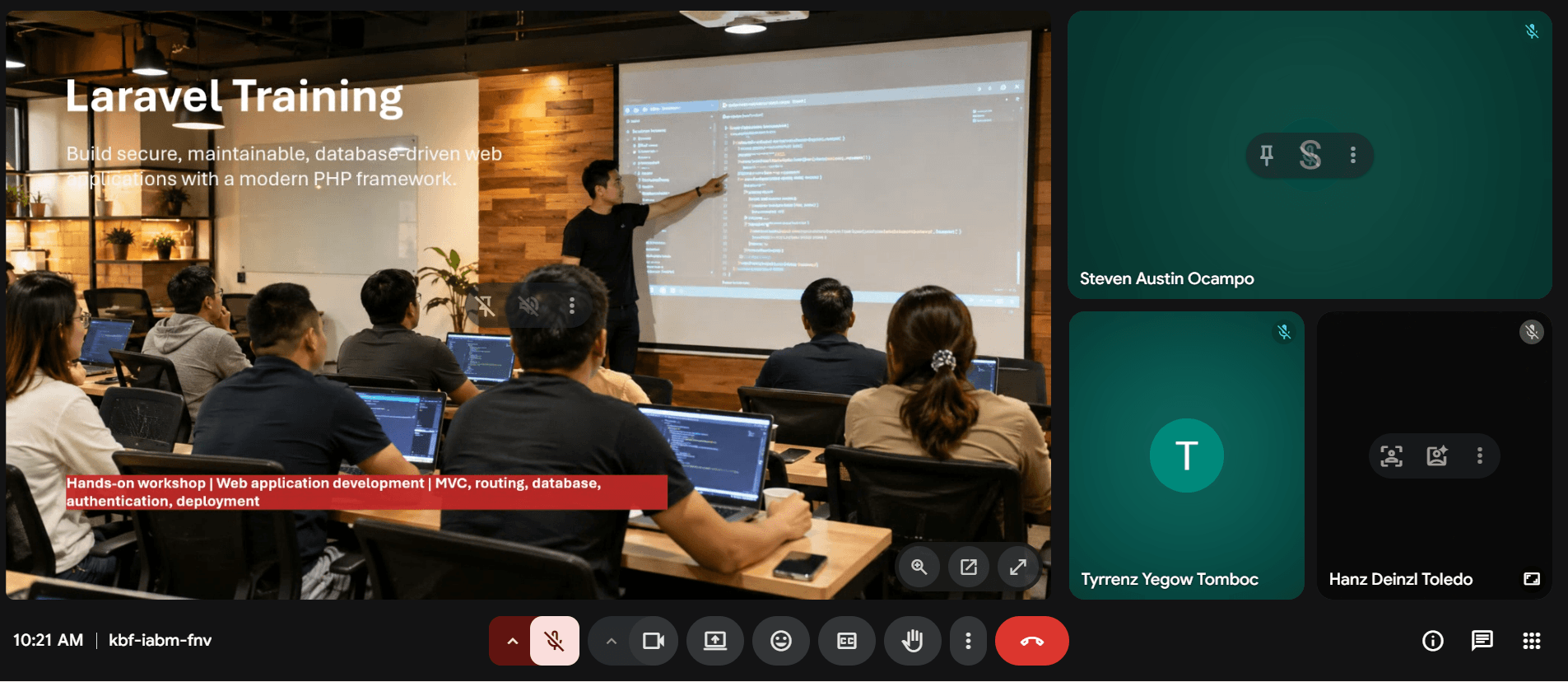
Laravel Training
Learn how to build modern web applications using Laravel, one of the most widely used PHP frameworks for structured, database-driven, and maintainable web development. This training introduces participants to Laravel fundamentals, routing, controllers, Blade templates, database handling, authentication concepts, and practical application development workflows.
What participants learn
- Laravel framework fundamentals and project structure
- Routing, controllers, views, and Blade templating
- Database handling using migrations, models, and Eloquent ORM
- Authentication concepts, validation, and practical web application workflow
Who should attend
- Web developers and PHP developers
- Students learning web application development
- Junior developers building database-driven systems
- Organizations improving internal web development capability
Actual training photos
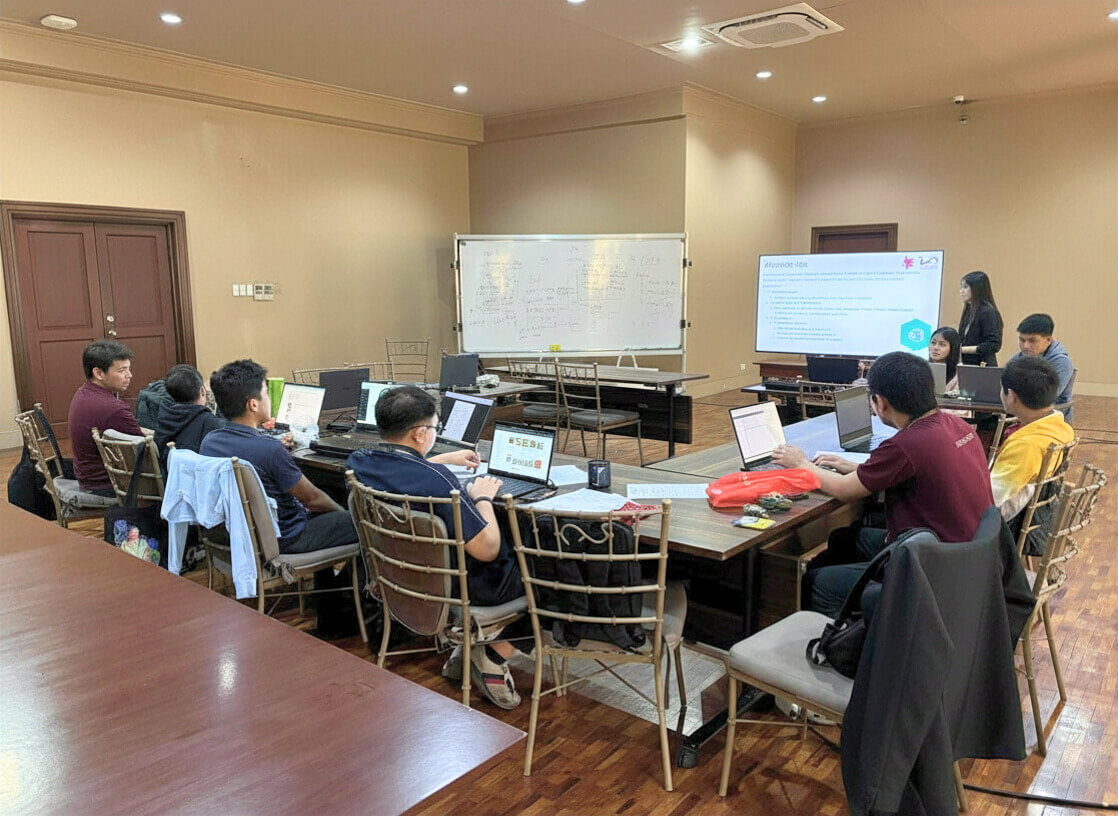
Linux Administration Training
Master the essentials of Linux system administration, from installation and configuration to command-line operations, troubleshooting, security hardening, and server management. This training helps participants become more confident in managing Linux-based environments.
What participants learn
- Linux command-line fundamentals
- User, permission, file, and process management
- Server configuration and basic troubleshooting
- Security hardening and system maintenance practices
Who should attend
- System administrators and IT support staff
- Students learning server administration
- Cybersecurity learners using Linux tools
- Organizations managing Linux-based systems
Actual training photos


CompTIA A+ and Security+ Training
Build practical IT support and cybersecurity foundations through CompTIA-focused training. This program introduces participants to core computing concepts, troubleshooting, security principles, threat awareness, and technical practices used in real-world IT environments.
What participants learn
- IT support and troubleshooting fundamentals
- Core computing and system security concepts
- Threats, vulnerabilities, and security awareness
- Technical practices aligned with CompTIA training paths
Who should attend
- IT support staff and entry-level technicians
- Students preparing for IT certification paths
- Teams building technical support capability
- Beginners entering cybersecurity and IT operations
Actual training photos
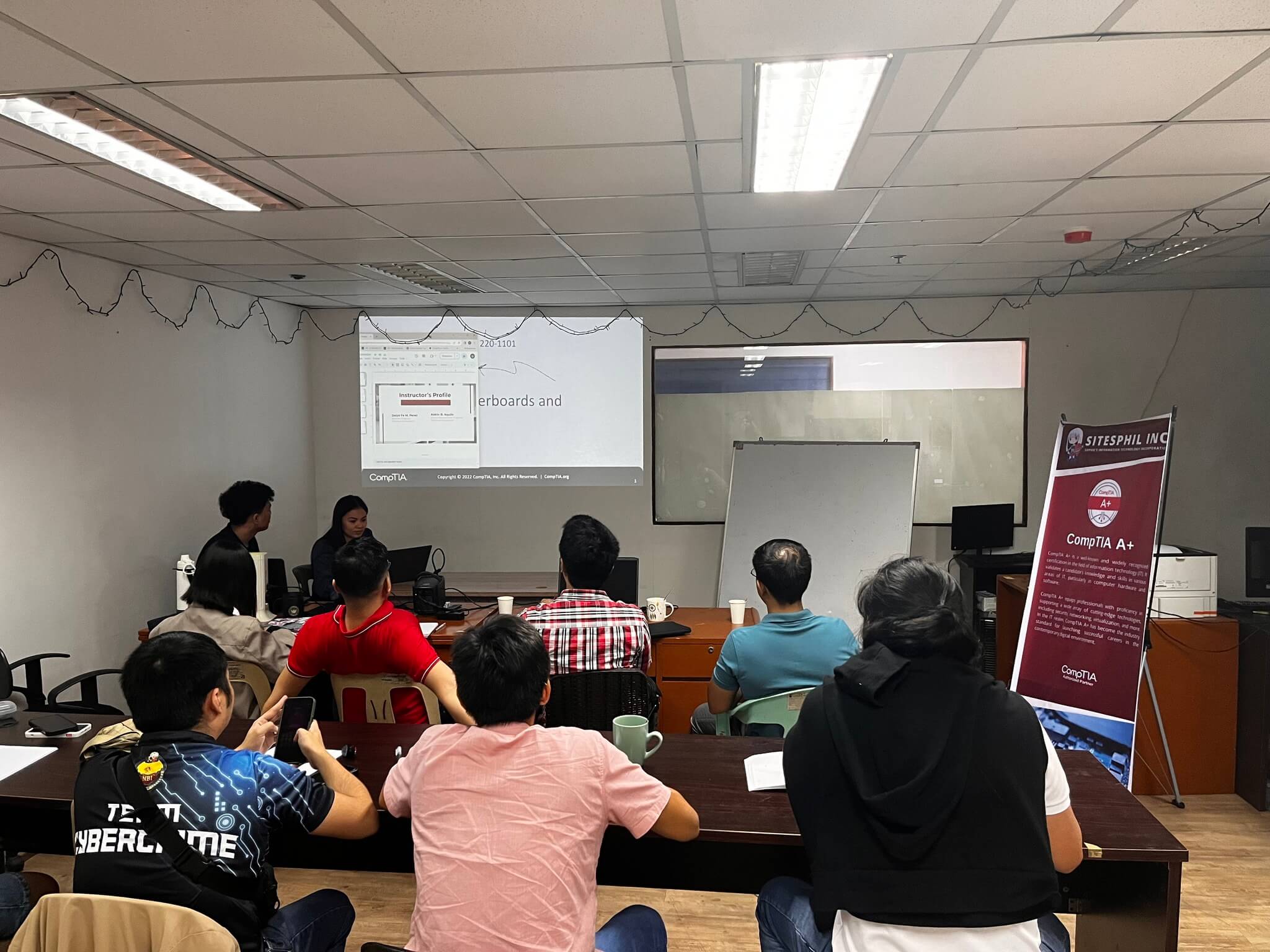

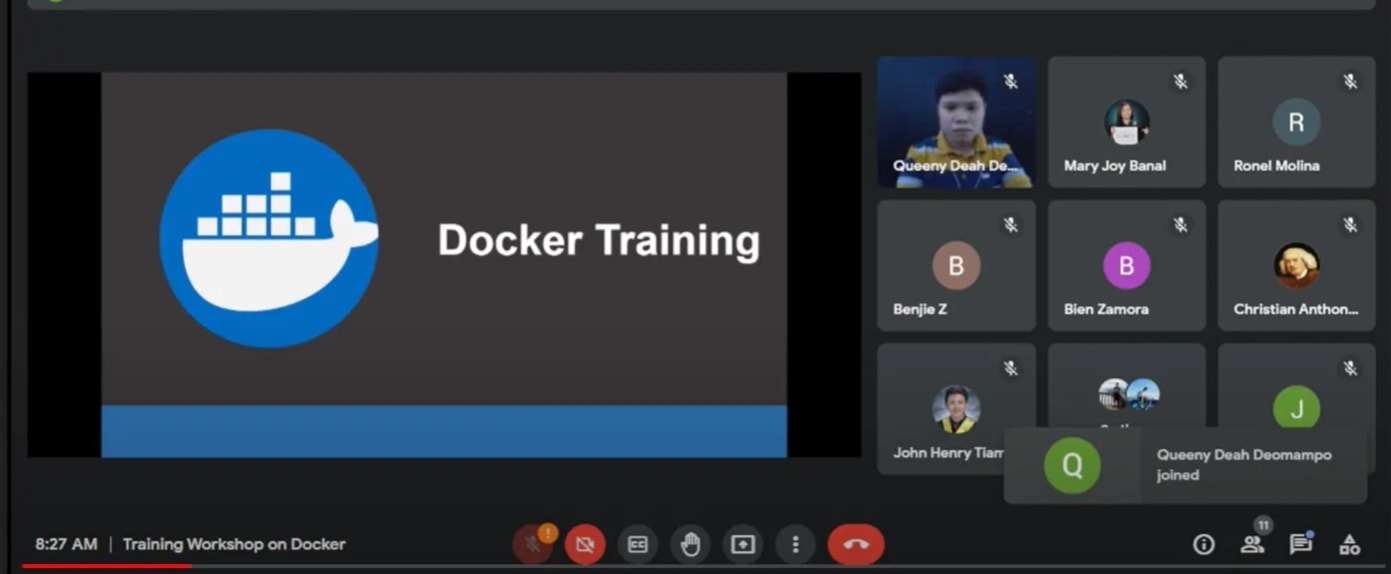
Docker Training
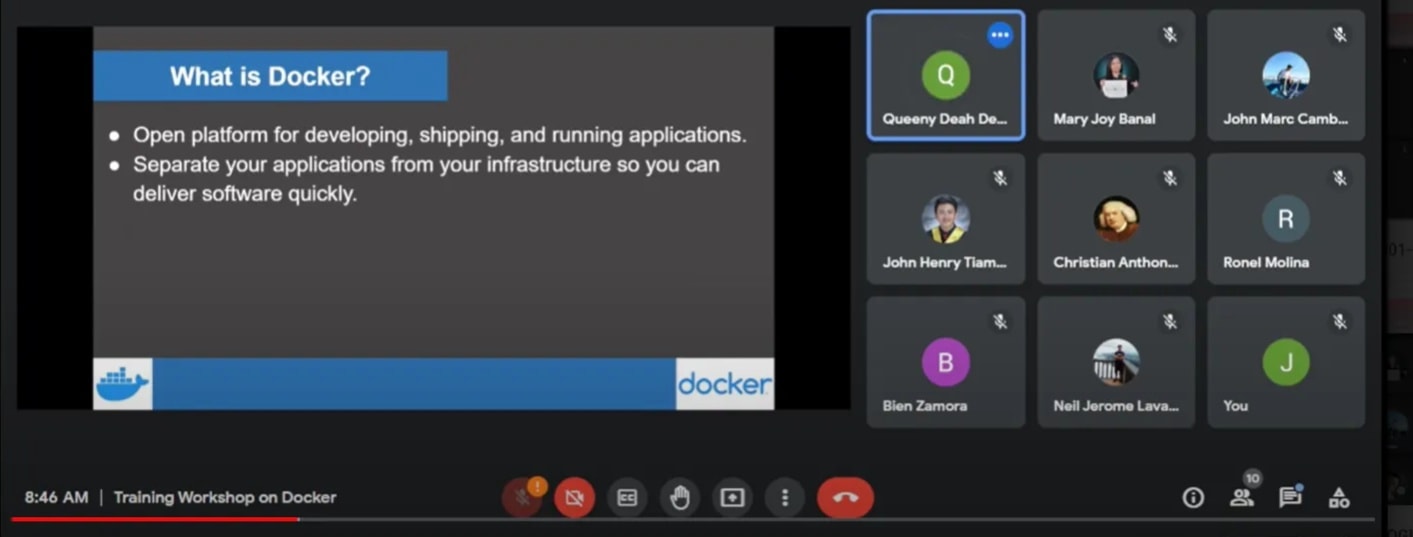
Understand the power of containerization with Docker. This training introduces participants to building, running, and managing containerized applications so teams can create more consistent, portable, and scalable software environments.
What participants learn
- Containerization concepts and Docker workflow
- Images, containers, volumes, and networks
- Basic application deployment using Docker
- Environment consistency and deployment best practices
Who should attend
- Developers learning modern deployment practices
- System administrators and cloud learners
- IT teams improving application delivery
- Students interested in DevOps fundamentals
Actual training photos
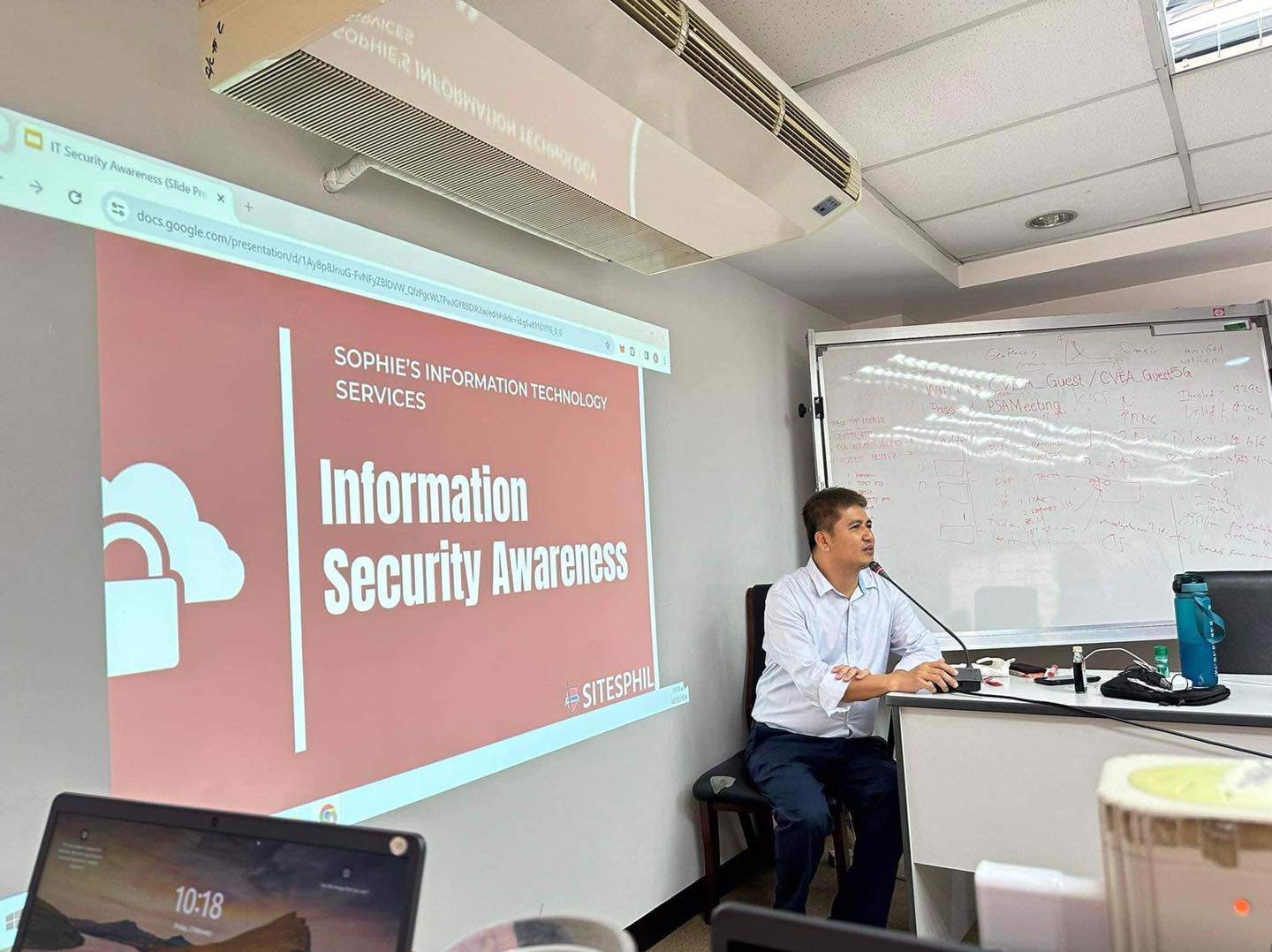
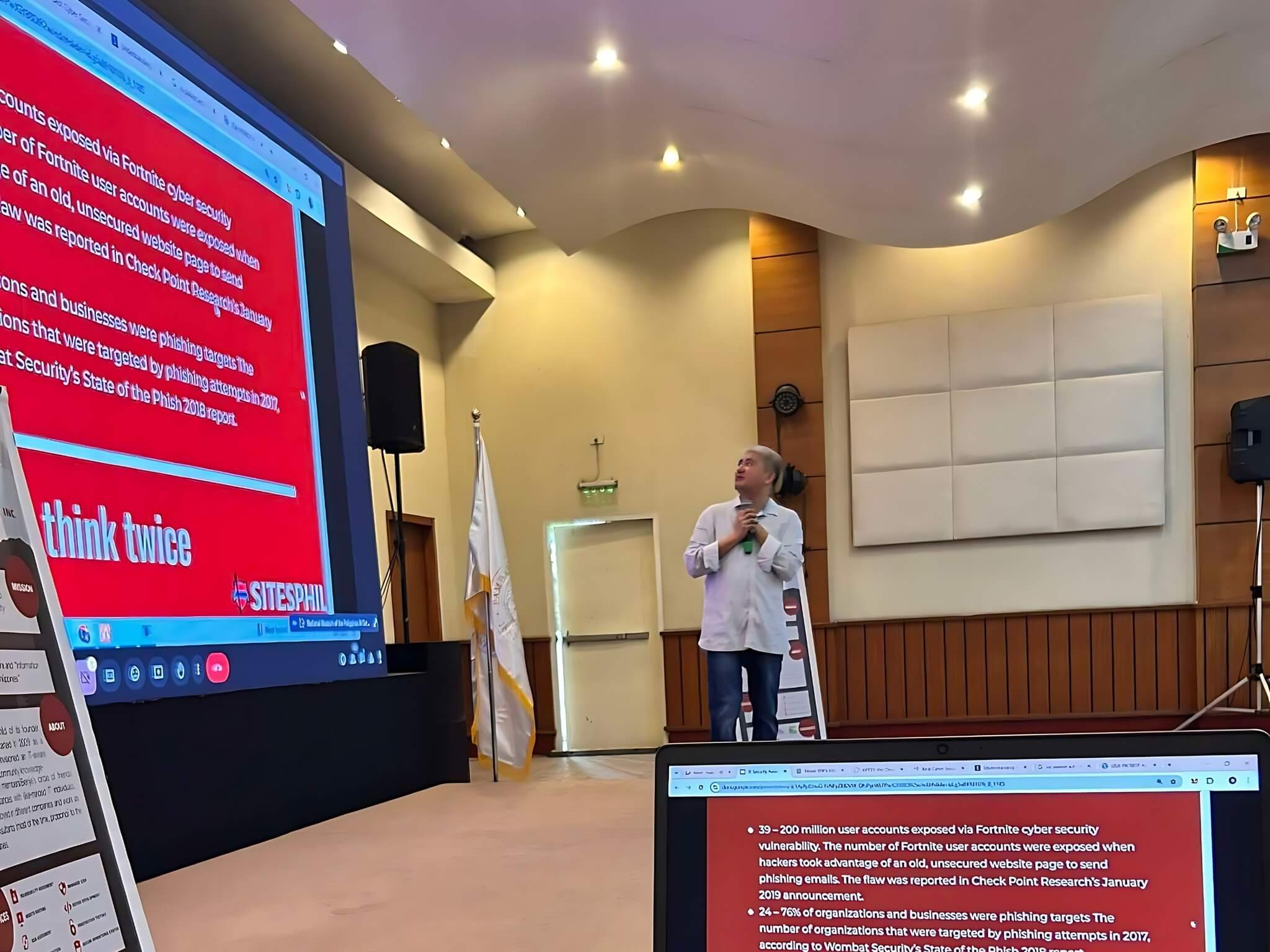
InfoSec Awareness Training
Strengthen your organization’s first line of defense by educating users about cybersecurity risks, safe digital behavior, and common attack methods. This training helps reduce human error and promotes a security-aware workplace culture.
What participants learn
- Common cyber threats and warning signs
- Phishing, social engineering, and password safety
- Safe handling of data, devices, and accounts
- Incident reporting and responsible user behavior
Who should attend
- Employees and general staff
- Managers and department heads
- Organizations improving cybersecurity culture
- Teams handling sensitive data or online accounts
Actual training photos

Secure Programming
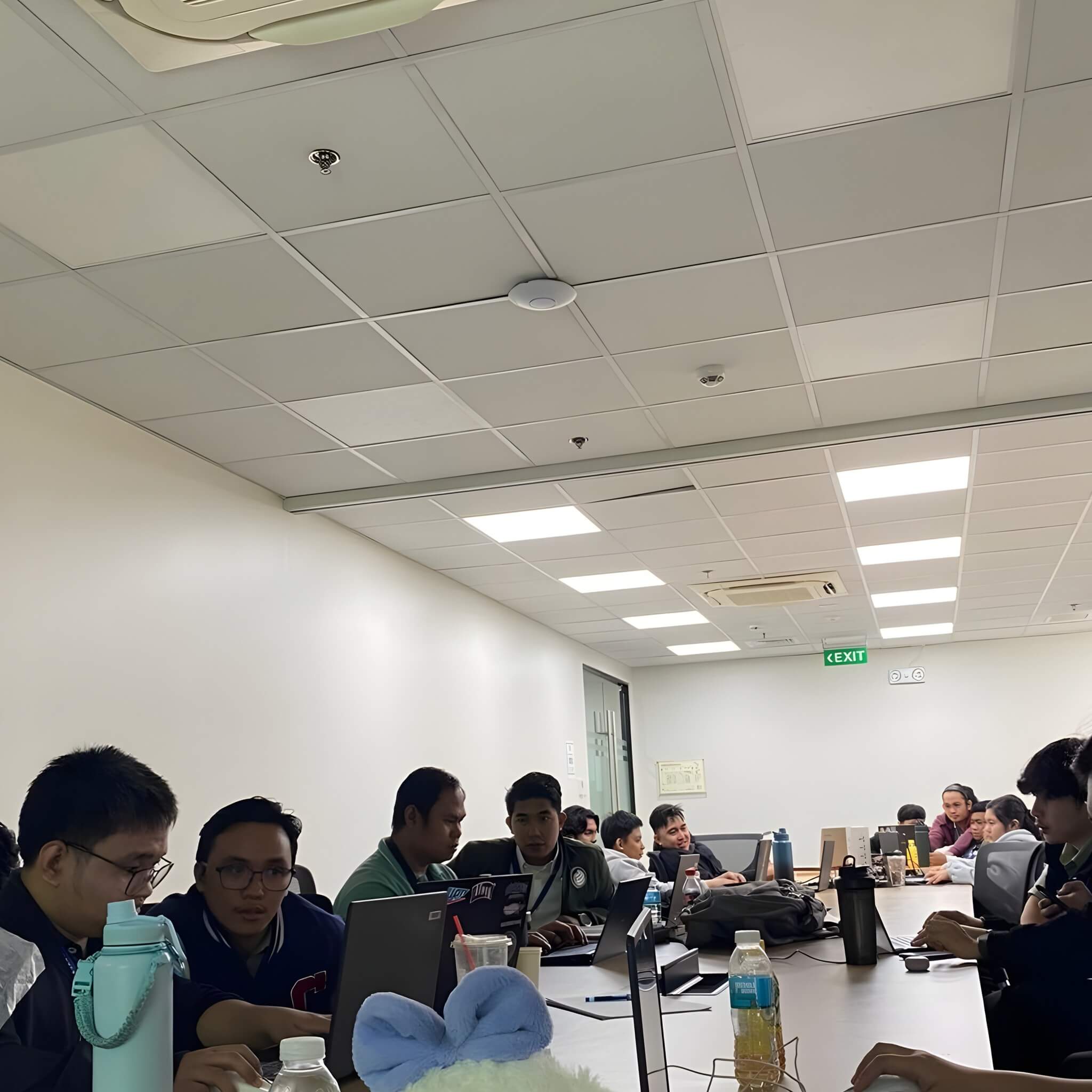
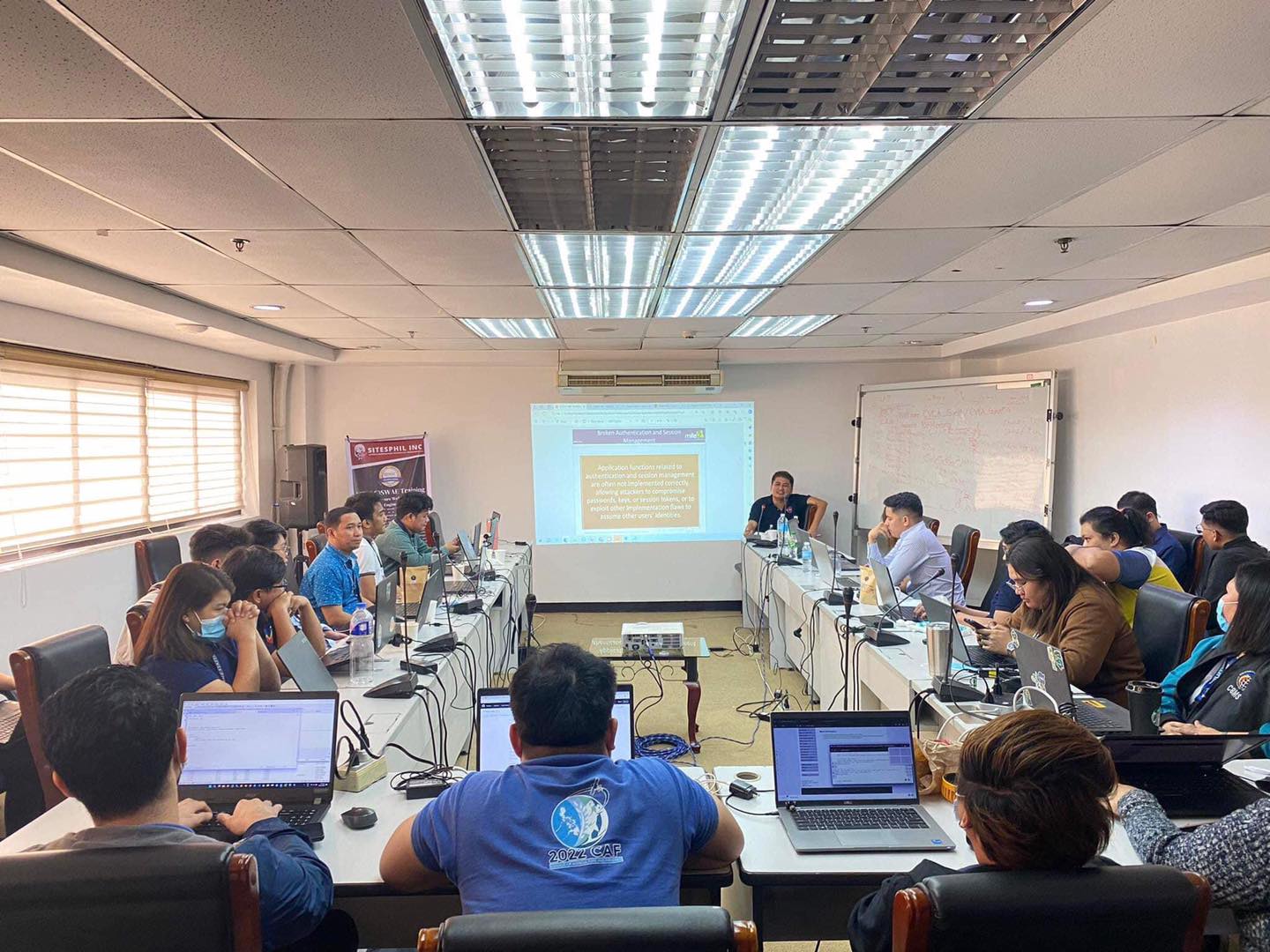
Learn to write code that is more resilient against modern cyber threats. This training teaches developers how vulnerabilities happen, how attackers may abuse insecure code, and how to apply safer programming practices during development.
What participants learn
- Secure coding principles and common mistakes
- Input validation and output encoding concepts
- SQL injection, XSS, and authentication risks
- Defensive development and code review awareness
Who should attend
- Software developers and web developers
- Students learning application development
- Teams maintaining web applications
- Organizations improving application security
Actual training photos
Ethical Hacking Training
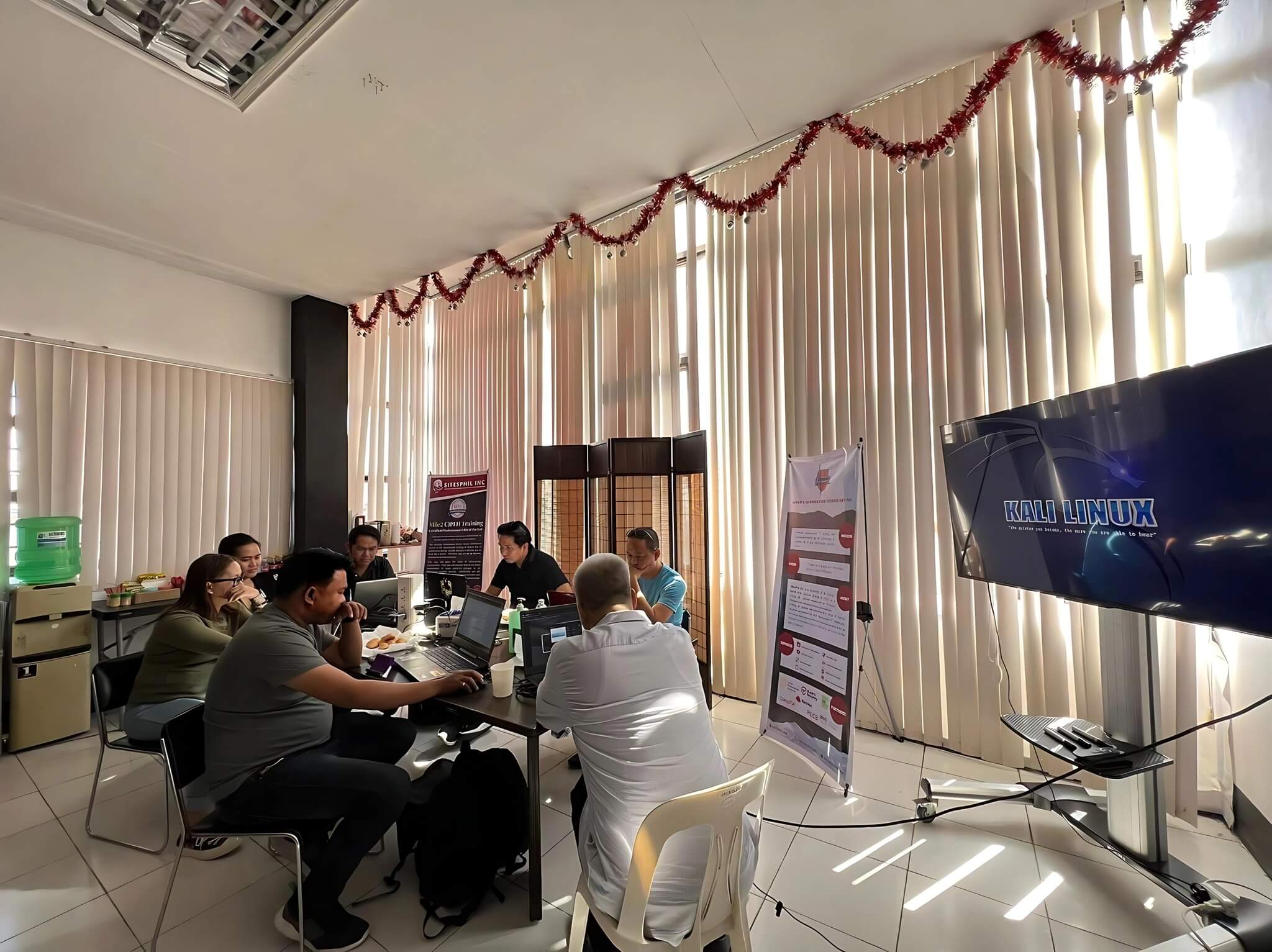
Learn how attackers think so systems can be defended more effectively. This training introduces ethical hacking concepts, structured testing methods, reconnaissance, exploitation awareness, and responsible reporting in a controlled and legal training environment.
What participants learn
- Ethical hacking mindset and methodology
- Reconnaissance, scanning, and enumeration basics
- Common exploitation concepts and security weaknesses
- Responsible disclosure and professional reporting
Who should attend
- Cybersecurity students and practitioners
- IT teams improving defensive skills
- Developers interested in security testing
- Organizations preparing internal security capability
Actual training photos
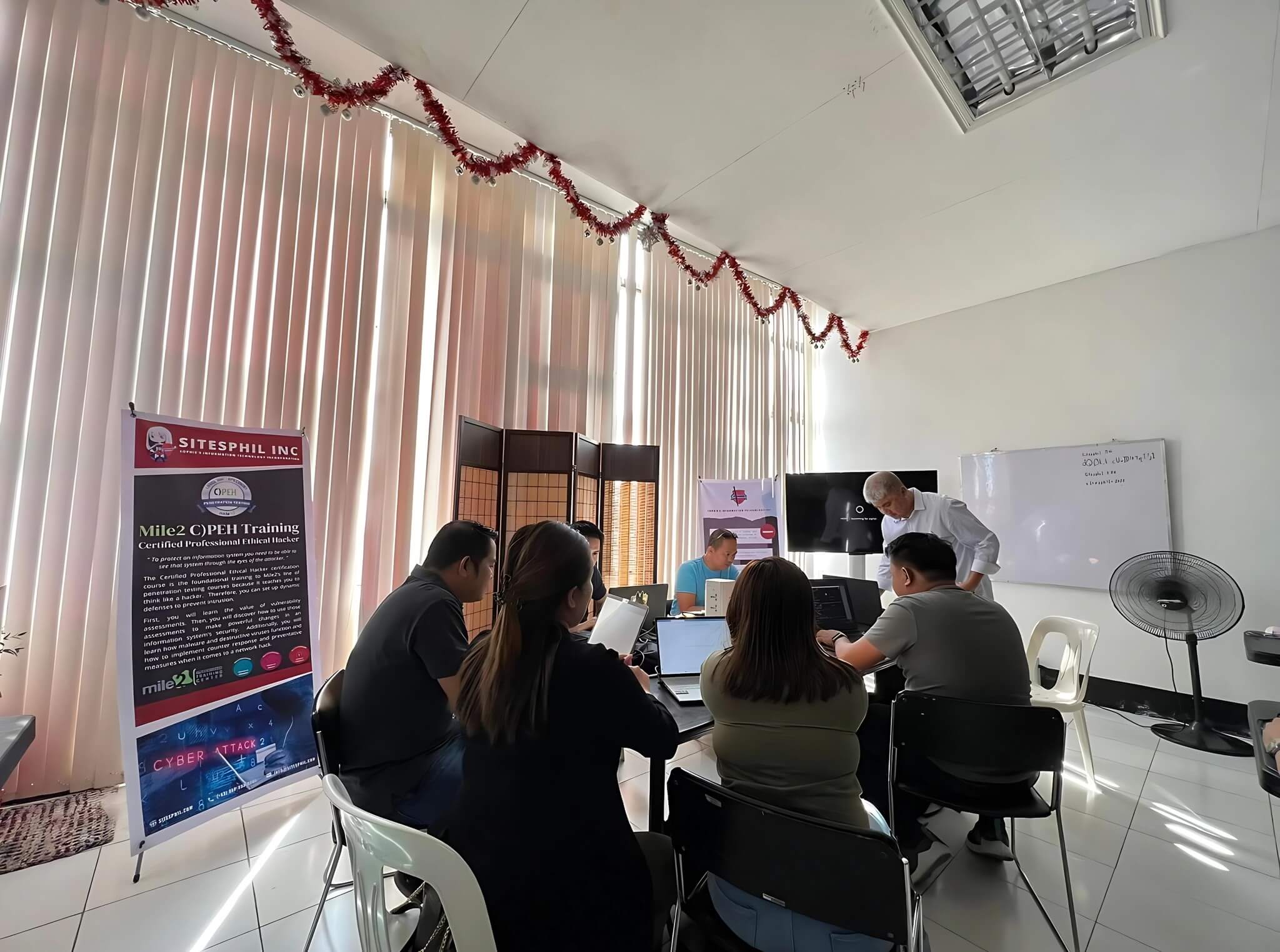
Digital Forensics Training
Learn the fundamentals of digital forensic investigation, evidence handling, incident documentation, and cyber-related investigation practices. This training helps participants understand how digital evidence is identified, preserved, examined, and reported in a structured and responsible manner.
What participants learn
- Digital forensic investigation workflow
- Evidence identification and handling concepts
- Incident response and documentation practices
- Report preparation and investigation readiness
Who should attend
- IT and cybersecurity personnel
- Incident response teams
- Security teams supporting investigations
- Organizations handling digital evidence concerns
Actual training photos


Web Application VAPT
Dive into the security architecture of modern web applications through specialized web application VAPT training. This program focuses on identifying common web vulnerabilities, understanding attack paths, and applying secure development and remediation practices.
What participants learn
- Web application vulnerability discovery
- OWASP-related security risk awareness
- Manual testing concepts and validation steps
- Secure remediation and developer-friendly reporting
Who should attend
- Web developers and application teams
- Security testers and IT personnel
- Organizations with web applications
- Teams preparing for web application assessments
Actual training photos
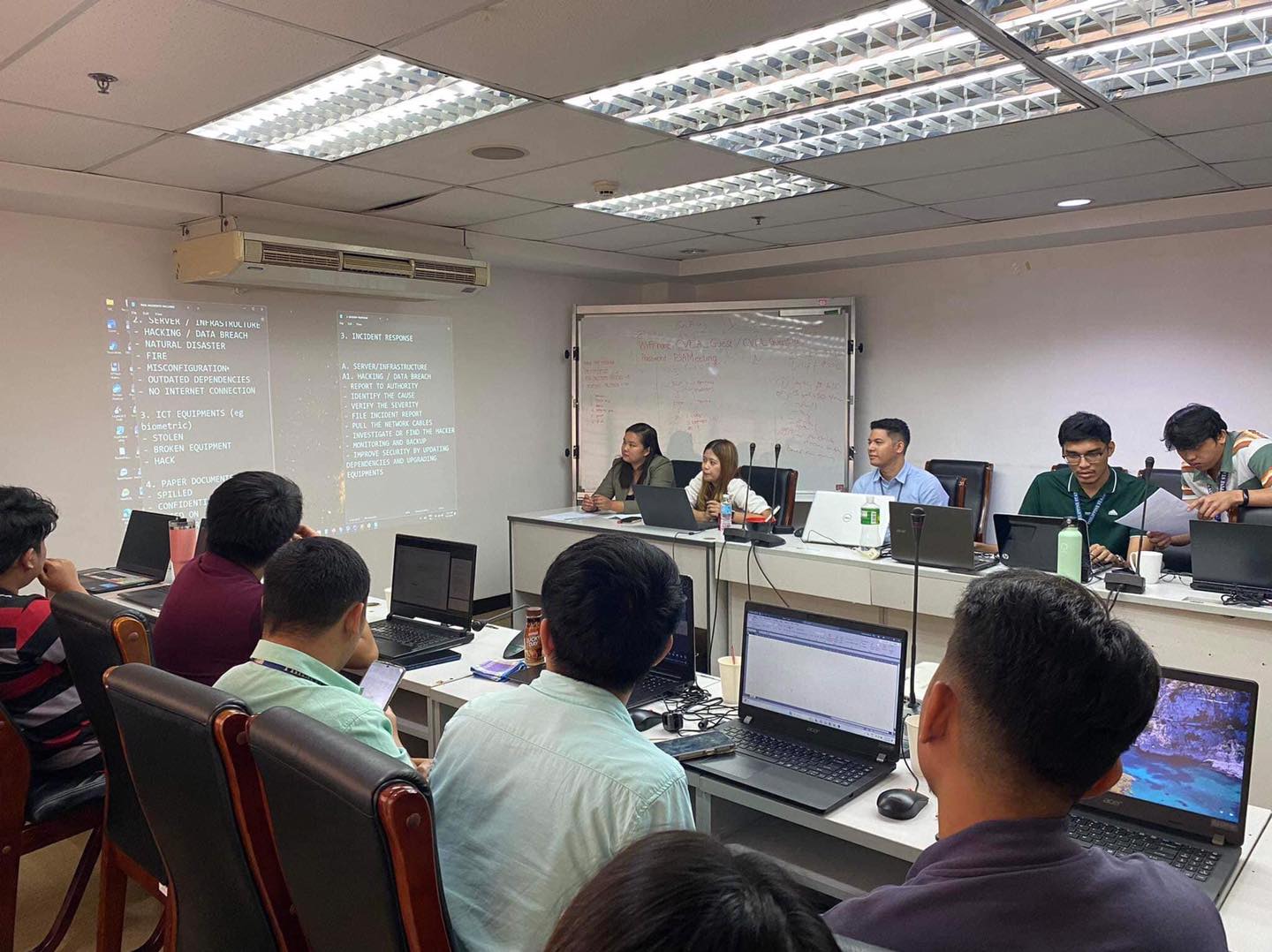
Network Administration Training
Learn the fundamentals of managing, configuring, and supporting network infrastructure. This training helps participants understand network components, connectivity, administration practices, troubleshooting, and operational security awareness for more reliable network environments.
What participants learn
- Network administration concepts and workflow
- Network devices, connectivity, and configuration basics
- Troubleshooting and exposure awareness
- Network maintenance and operational best practices
Who should attend
- Network administrators and IT teams
- Technical staff supporting network environments
- Students learning infrastructure operations
- Organizations managing internal or external networks
Actual training photos
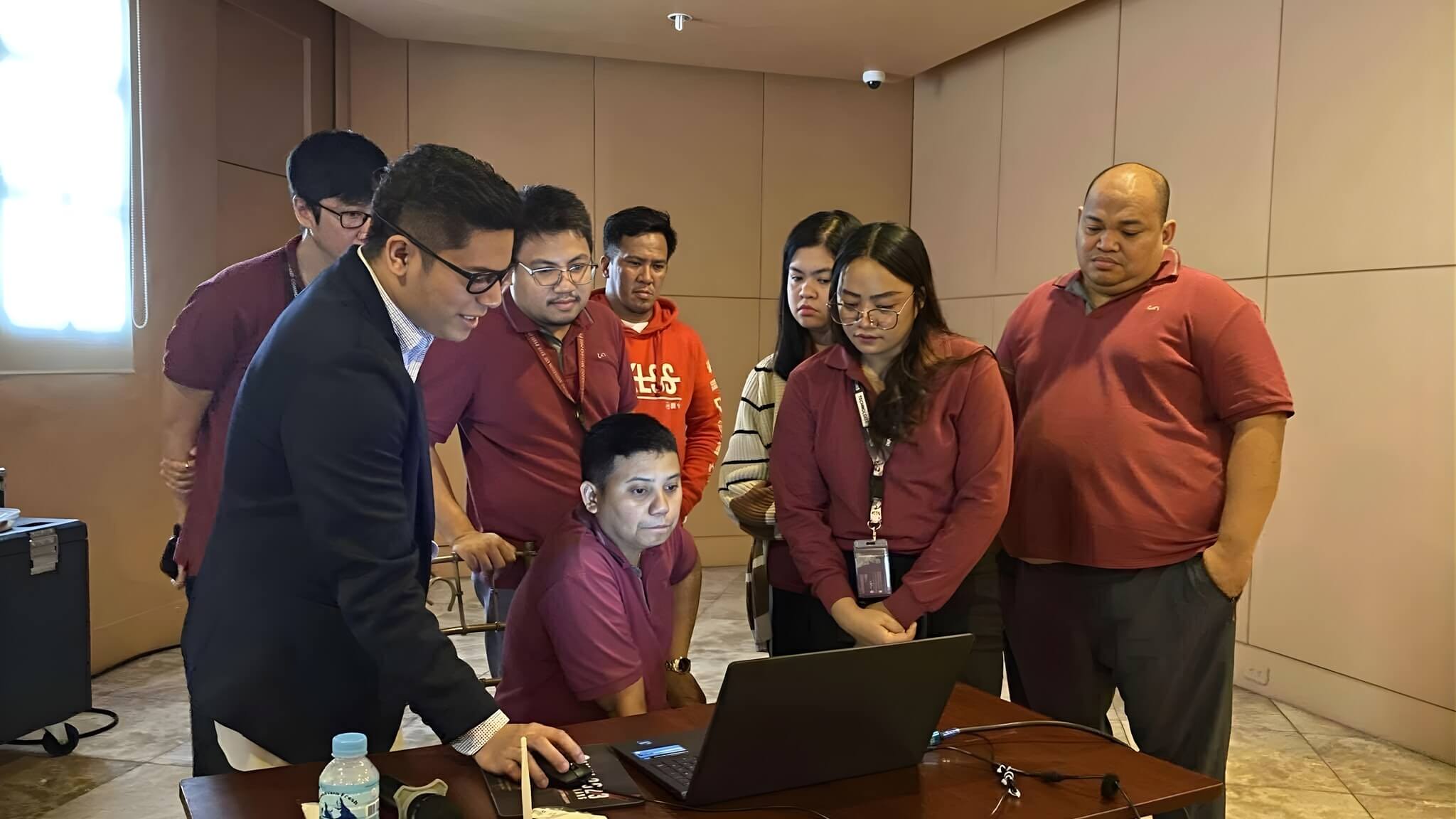

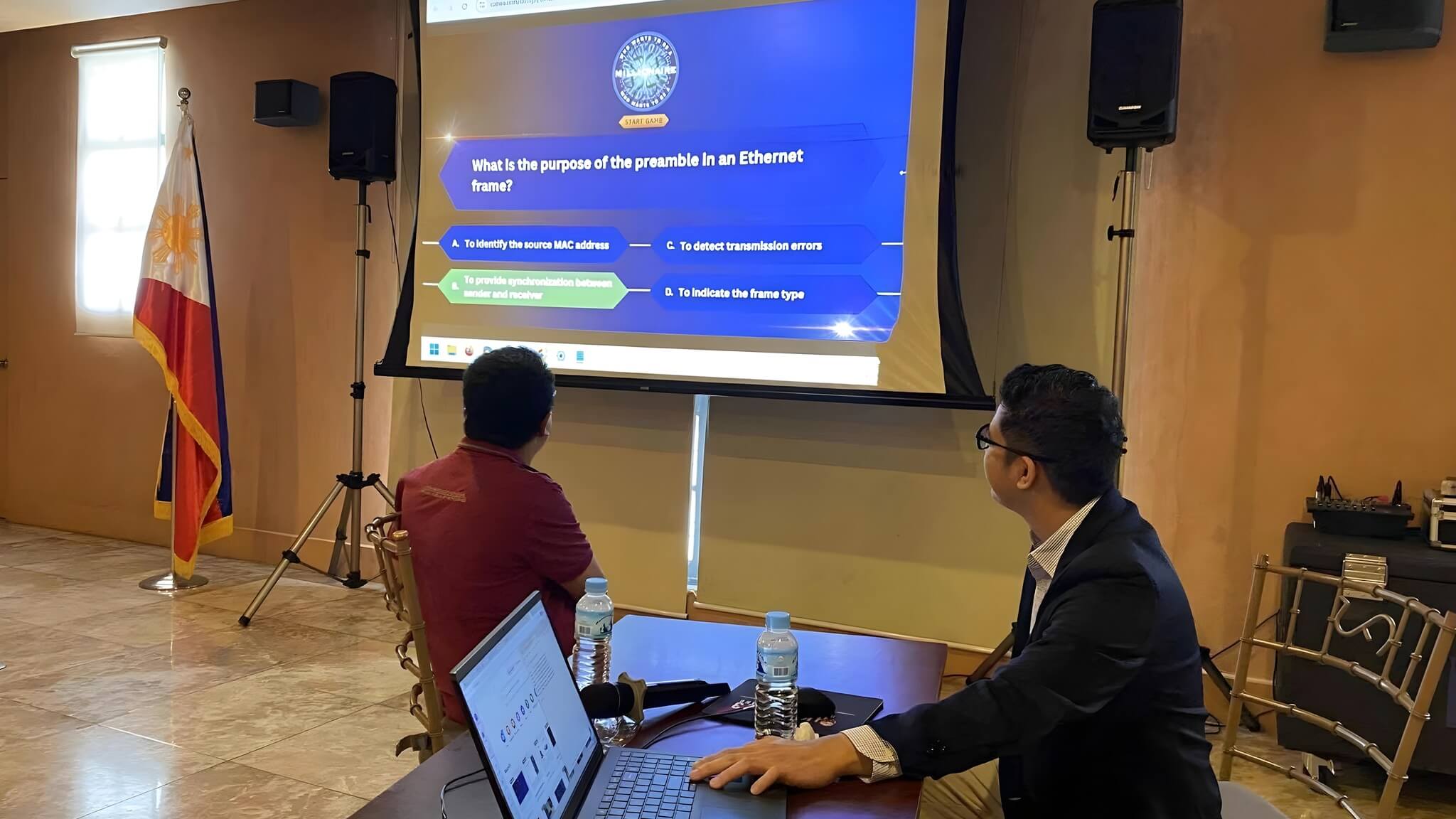
Security Awareness for Staff & Executives
Address the human element of cybersecurity with awareness training designed for both general staff and decision-makers. This training helps participants recognize security risks, understand their role in protecting the organization, and respond properly to suspicious activity.
What participants learn
- Phishing, social engineering, and online fraud awareness
- Safe account, device, and data handling practices
- Business email compromise and executive-targeted threats
- Security culture and incident reporting behavior
Who should attend
- Employees, staff, and department heads
- Executives and decision-makers
- Organizations handling sensitive information
- Teams improving cybersecurity awareness culture
Actual training photos

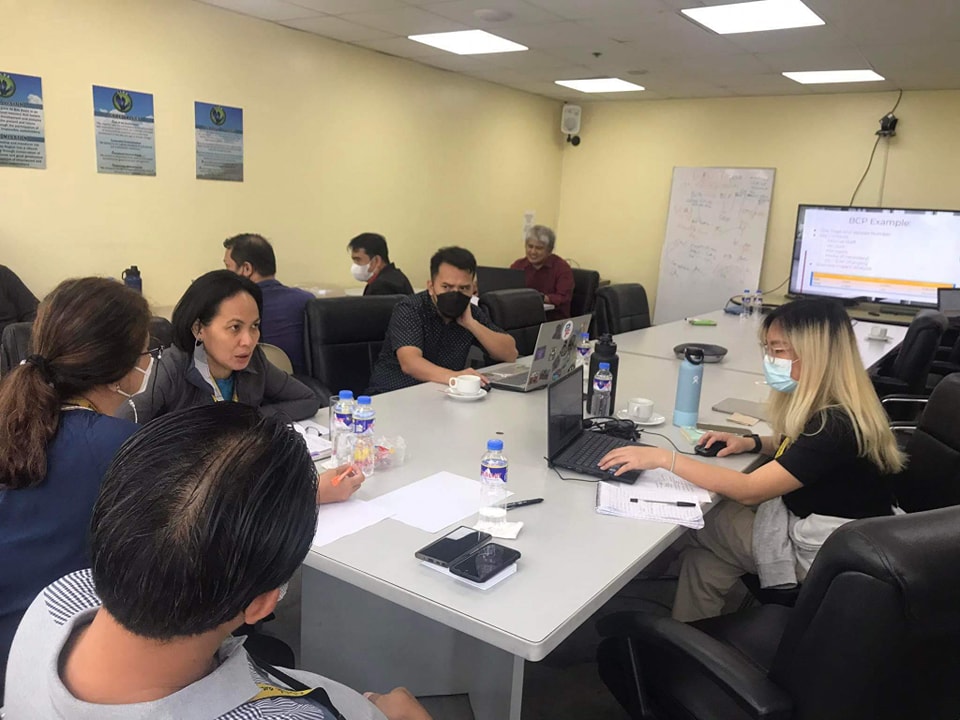
Threat Hunting Workshop
Shift from reactive defense to proactive threat discovery. This workshop introduces participants to threat hunting concepts, attacker behavior, indicators of compromise, incident patterns, and investigative thinking used to find suspicious activity before it causes greater impact.
What participants learn
- Threat hunting mindset and investigation workflow
- Indicators of compromise and suspicious behavior
- Incident response and forensic investigation concepts
- Hypothesis-based hunting and documentation practices
Who should attend
- Security operations and incident response teams
- Cybersecurity practitioners and analysts
- IT teams improving detection capability
- Organizations strengthening proactive defense
Actual training photos